Delegation at Scale: Managing AI Agents as an Organizational Competency
Why intelligence stopped being the bottleneck in 2026

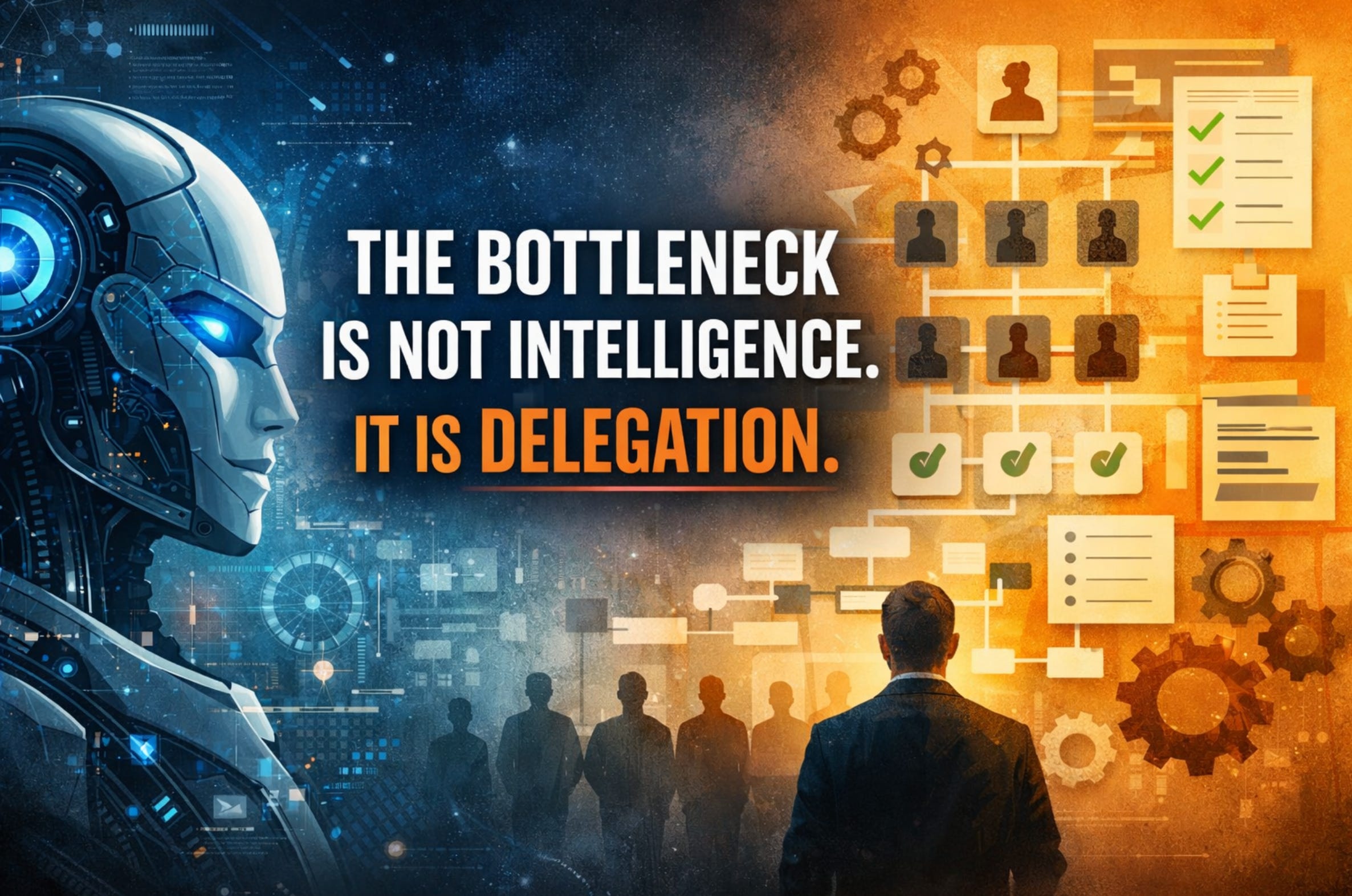
Introduction: The bottleneck is not intelligence. It is delegation.
For the past two years, most conversations about AI inside organizations have fixated on capability.
How smart is the model?
How autonomous can the agent be?
How much work can it replace?
By early 2026, those questions are no longer decisive.
The real bottleneck has shifted. What now constrains outcomes is not intelligence, but delegation. An organization’s ability to specify intent, package context, decompose work, define checkpoints, and deliver usable feedback at scale.
AI agents do not fail because they are dumb.
They fail because we are vague.
This reframes AI adoption away from tooling and toward organizational design. Managing AI agents is not a technical challenge. It is a management competency, one most organizations never needed to formalize because human labor absorbed ambiguity by default.
Agents do not.
They execute exactly what is specified, and nothing else.
Why autonomy fails without structure
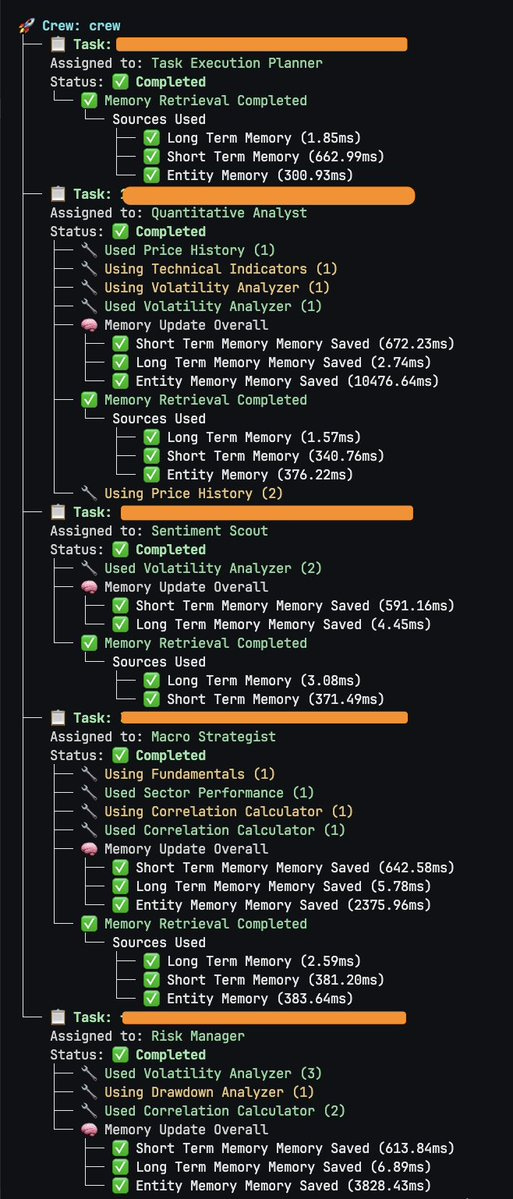
Early agent narratives were built on a seductive promise. Give an agent a goal, step back, and let it run.
In practice, this breaks down fast.
Teams pushing for maximal autonomy tend to see the same failure modes:
Large volumes of plausible output that are directionally wrong
Small ambiguities compounding over time instead of self-correcting
Errors surfacing late, when they are expensive to unwind
Humans spending more time fixing outputs than doing the work themselves
The issue is not autonomy. It is unbounded autonomy without structure.
By 2026, frontier labs and early enterprise deployments have converged on the same lesson. Reliability beats cleverness. Businesses do not pay for novelty. They pay for outcomes that are correct, timely, and auditable.
This is why the industry has quietly moved toward bounded autonomy. Multiple agents with narrow scopes. Explicit handoffs. Explicit checkpoints. Clear escalation rules.
Agents do not forgive weak structure. They expose it. That is why agent management feels brutally hard at first.
A simple scenario that explains most failures
Consider a product lead who assigns an AI agent to “prepare a two-week launch plan”.
Day one, the agent produces a polished document. It looks professional. It uses the right words. It includes features cut months ago.
Day two, the agent revises the plan after feedback. It now contradicts itself because the original assumptions were never surfaced.
Day three, the agent schedules meetings with the wrong stakeholders because ownership was implicit, not explicit.
Day four, the product lead decides the agent “is not ready”.
That conclusion is wrong.
The agent did exactly what it was asked to do. The failure was upstream. The task lacked explicit goals, constraints, decision authority, success criteria, and review points.
Humans fill in those gaps subconsciously. Agents do not.
AI removes the hidden subsidy that human judgment used to provide.
The Delegation Stack
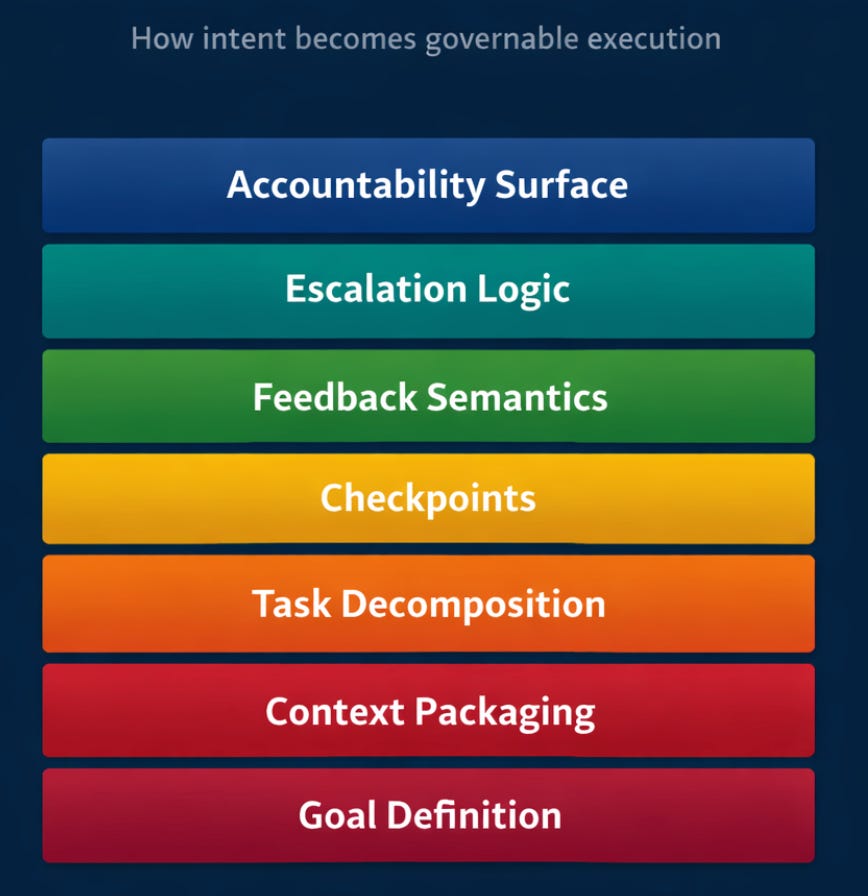
To manage agents effectively, delegation must be treated as a system. Not a soft skill. Not an art. A stack.
This is not theory. By 2026, teams that reliably scale agents converge on the same underlying pattern, whether they name it or not. They discover that delegation only works when intent is progressively constrained, inspected, and owned.
Each layer exists because something breaks when it is missing.
1. Goal definition
What outcome actually matters, and what explicitly does not.
Agents are excellent at optimization. That is also their biggest risk. When goals are underspecified, agents optimize the easiest proxy available, often producing outputs that look correct but miss the point.
High-performing teams now define both goals and non-goals. They specify what success looks like and what should not be pursued, even if it seems locally efficient. This is how teams prevent agents from drifting into scope creep, metric gaming, or elegant irrelevance.
2. Context packaging
The data, assumptions, constraints, policies, and historical decisions shaping the task.
Humans carry context implicitly. Agents do not. When context is missing or outdated, agents behave rationally and incorrectly.
By 2026, mature teams treat context as a versioned artifact. Assumptions are written down. Constraints are explicit. Prior decisions are included, not rediscovered. Context reviews become as normal as code reviews, because stale context is one of the fastest ways to produce confident failure.
3. Task decomposition
Breaking outcomes into bounded units of work with clear dependencies.
Large, ambiguous tasks create high variance. Agents given broad mandates tend to generate impressive but unusable output.
Teams that succeed break work into narrow, testable units with explicit inputs and outputs. Each agent is responsible for one thing and one thing only. This reduces error propagation and makes failures legible. Single-responsibility agents are not slower. They are more reliable over time.
4. Checkpoints
Explicit stop points where progress is evaluated before moving forward.
Without checkpoints, agent workflows fail silently. Problems accumulate and surface only at the end, when fixing them is expensive.
Checkpoints force early inspection. They create moments where outputs are validated against intent before downstream work continues. In practice, this increasingly means automated evaluations, diff checks, or rubric-based scoring that gates progression. The goal is not control. It is early correction.
5. Feedback semantics
Examples, counterexamples, rubrics, and constraints, not vibes.
“Do better” is not feedback. It is noise.
Effective teams invest in feedback that agents can actually use. They provide concrete examples of acceptable and unacceptable outputs. They define evaluation criteria that can be applied repeatedly. Over time, feedback becomes structured enough to be partially automated, reducing human load while increasing consistency.
6. Escalation logic
Rules for when an agent should ask, pause, or stop entirely.
In human teams, uncertainty triggers conversation. In agent systems, uncertainty often results in silence.
Escalation logic defines what agents should do when confidence drops, ambiguity increases, or constraints conflict. Silence is treated as a failure state, not a success. Well-designed escalation prevents agents from confidently proceeding in the wrong direction or stalling invisibly.
7. Accountability surface
Who owns the output, signs off, and absorbs consequences.
Agents do not carry responsibility. Organizations do.
The final layer makes ownership explicit. Every agent action maps back to a named human owner who is accountable for outcomes. This is not about blame. It is about ensuring that decisions remain governable and auditable as autonomy increases.
Without this layer, organizations cannot safely scale agentic systems.
Two teams can use the same models, the same tools, and the same data, and see radically different results. The difference is not intelligence. It is whether delegation has been designed as a system or left as an assumption.
Why organizations do not become flat after agents

There is a temptation to frame the rise of AI agents as a move toward flatter organizations.
That framing is wrong, and it misunderstands where complexity actually lives.
Flat structures work when coordination costs are low and ambiguity can be resolved informally. Agentic systems do the opposite. They reduce execution cost while dramatically increasing the cost of poor specification. Ambiguity no longer disappears into hallway conversations or quiet human judgment. It compounds.
What emerges is not a flat organization, but a hybrid one.
In this structure:
Humans define intent, boundaries, and priorities.
Agents execute scoped work inside explicit constraints.
Supervisory roles focus on evaluation and integration.
Governance moves closer to the work, not farther away.
This is why management does not disappear. It becomes visible.
In human-only organizations, weak management can hide. People compensate. They ask clarifying questions. They smooth over contradictions. They quietly correct mistakes. AI agents do none of that. They surface every gap in structure.
Roles that exist primarily to relay vague instructions become bottlenecks. Roles that specialize in clarity, coordination, and judgment become disproportionately valuable.
AI does not eliminate middle management. It forces a reckoning with it.
The parts of middle management that were about status reporting, information passing, or soft enforcement fade quickly. The parts that were about sense-making, prioritization, quality control, and accountability become the backbone of the organization.
The org chart may look simpler on paper. In practice, the operating structure becomes more explicit, more disciplined, and less forgiving of ambiguity.
That is the real structural shift after agents.
From user interface to control plane
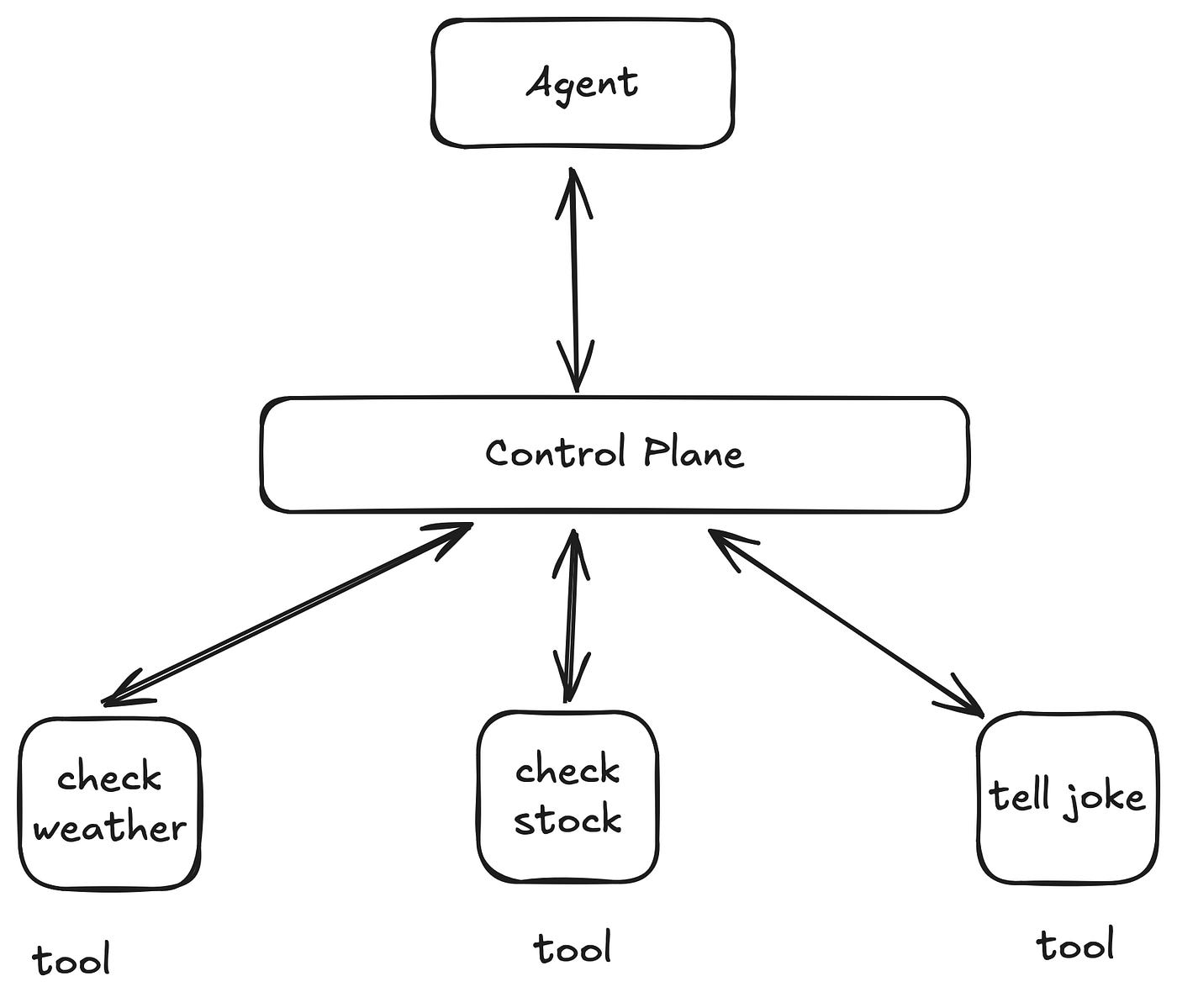
Much attention has gone into better interfaces for AI agents. Dashboards. Timelines. Chat surfaces that promise clearer visibility.
Interfaces help. But they solve the wrong problem.
Interfaces assume a human is watching. Control planes assume no one is.
By 2026, serious deployments converge on the same conclusion: agent systems require a control plane, similar to what finance, security, and cloud infrastructure built when execution outpaced supervision.
Every time systems scale faster than oversight, interfaces stop being sufficient and control planes emerge.
Finance did not scale on spreadsheets.
Security did not scale on dashboards alone.
Cloud infrastructure did not scale on console views.
Agents will not either.
A control plane exists to make autonomous action governable. It exists to make systems safe, auditable, and operable over time.
In practice, this includes several non-negotiable capabilities.
A registry of agent work with clear ownership and scope.
Observability into actions taken, tools used, and decisions made.
Policy enforcement around data access, permissions, and approvals.
Cost controls to prevent runaway execution.
Quality gates and evaluation routines before outputs propagate.
Memory governance defining what persists and what must expire.
Without this layer, scaling agents feels chaotic. Work overlaps. Costs spike. Failures surface late. Humans lose confidence and reassert manual control.
With a control plane, long-running and asynchronous agent work becomes manageable. Autonomy increases without sacrificing accountability.
Above it, teams are experimenting with agents.
Below it, organizations are operating them.
New roles, new rituals, unavoidable ownership
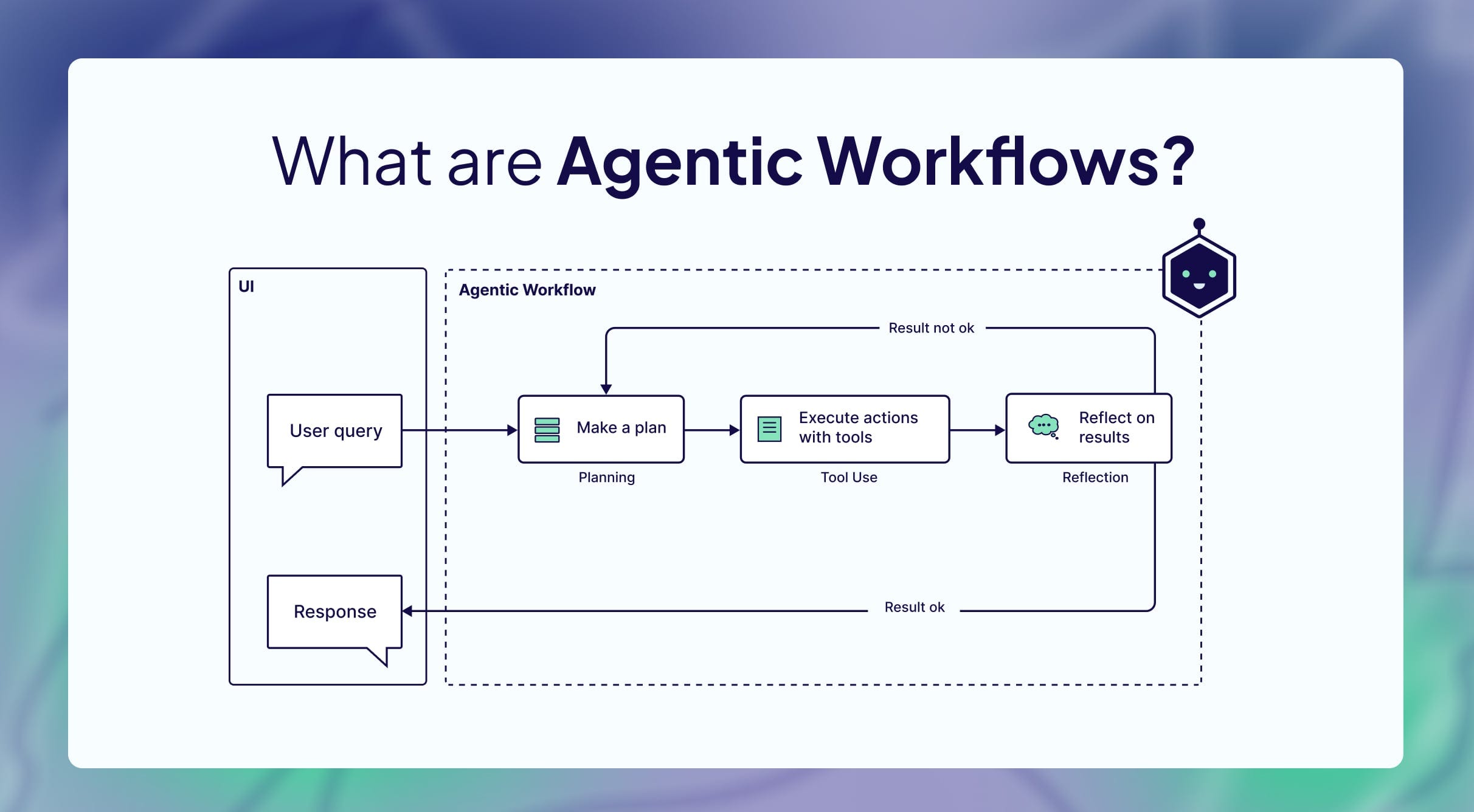
As agents move from novelty to infrastructure, new roles emerge. Not because of hype, but because unattended work always creates failure modes.
Every mature system eventually answers the same question:
who owns this when it breaks?
Agent-heavy organizations are no different.
By 2026, teams that operate agents reliably converge on a small set of role archetypes, even if titles differ.
Some roles focus on reliability. These teams monitor agent behavior, detect drift, handle failures, and restore trust when systems misbehave. Their job is not to make agents smarter, but to make them dependable over time.
Others focus on workflow design. These are the people who decide where autonomy is safe, where it is dangerous, and how work should be decomposed so agents can operate without creating hidden risk. They design bounded autonomy deliberately, rather than discovering its limits through incident response.
Evaluation roles emerge as well. Someone must define what “good” looks like. Not once, but repeatedly. These roles establish standards, sampling strategies, and evaluation routines so quality does not depend on whoever happens to be reviewing outputs that day.
Finally, policy-focused roles become unavoidable. Organizational rules, legal constraints, and ethical boundaries must be translated into enforceable limits that agents can actually respect. Governance that lives only in documents fails the moment autonomy scales.
Alongside roles, rituals evolve.
Ad hoc prompting gives way to agent sprint planning, where intent, constraints, and checkpoints are agreed upon before work begins.
Blind trust is replaced by checkpoint reviews, where progress is inspected early and often, not at the end.
Failures are no longer dismissed as “AI quirks”. They are analyzed through postmortems, just like outages, with the goal of preventing recurrence rather than assigning blame.
This structure may feel heavy to teams used to improvisation. It is lighter than cleaning up silent failures at scale.
Governance, leadership, and the cost of ambiguity
When agents act across systems, accountability cannot be implied.
Someone must be able to answer:
Why did this decision happen?
What information was used?
Who approved the action?
What would have stopped it?
These are operational questions, not philosophical ones.
Organizations that scale autonomy safely treat auditability as a prerequisite. If an action cannot be reconstructed, it is considered a governance failure, regardless of outcome.
This does not slow organizations down in the long run. It speeds them up.
Leadership changes accordingly.
Leaders execute less and design more. They spend less time solving problems and more time shaping how problems are defined, decomposed, and reviewed.
The defining leadership skill becomes the ability to turn ambiguous intent into executable structure.
That skill is teachable. But it is not optional.
AI does not change what leadership is. It removes the cover for leaders who were never doing it well.
Conclusion: Delegation is the real divide
AI does not remove management. It punishes weak management.
Organizations built on informal coordination, tribal knowledge, and heroic individuals see diminishing returns from agents. Their systems become brittle as autonomy increases.
Organizations that treat delegation as a system compound advantage. They scale execution without losing control. They move faster without becoming reckless.
Over the next decade, this gap will widen.
The defining competitive advantage will not be model access or tooling sophistication. It will be the ability to turn intent into structure repeatedly, at scale, under pressure.
In 2030, we will not describe leading organizations as “AI-native.”
We will describe them as delegation-native.
Because in the agent era, intelligence is abundant.
Structure is scarce.
And scarcity is where advantage lives.